
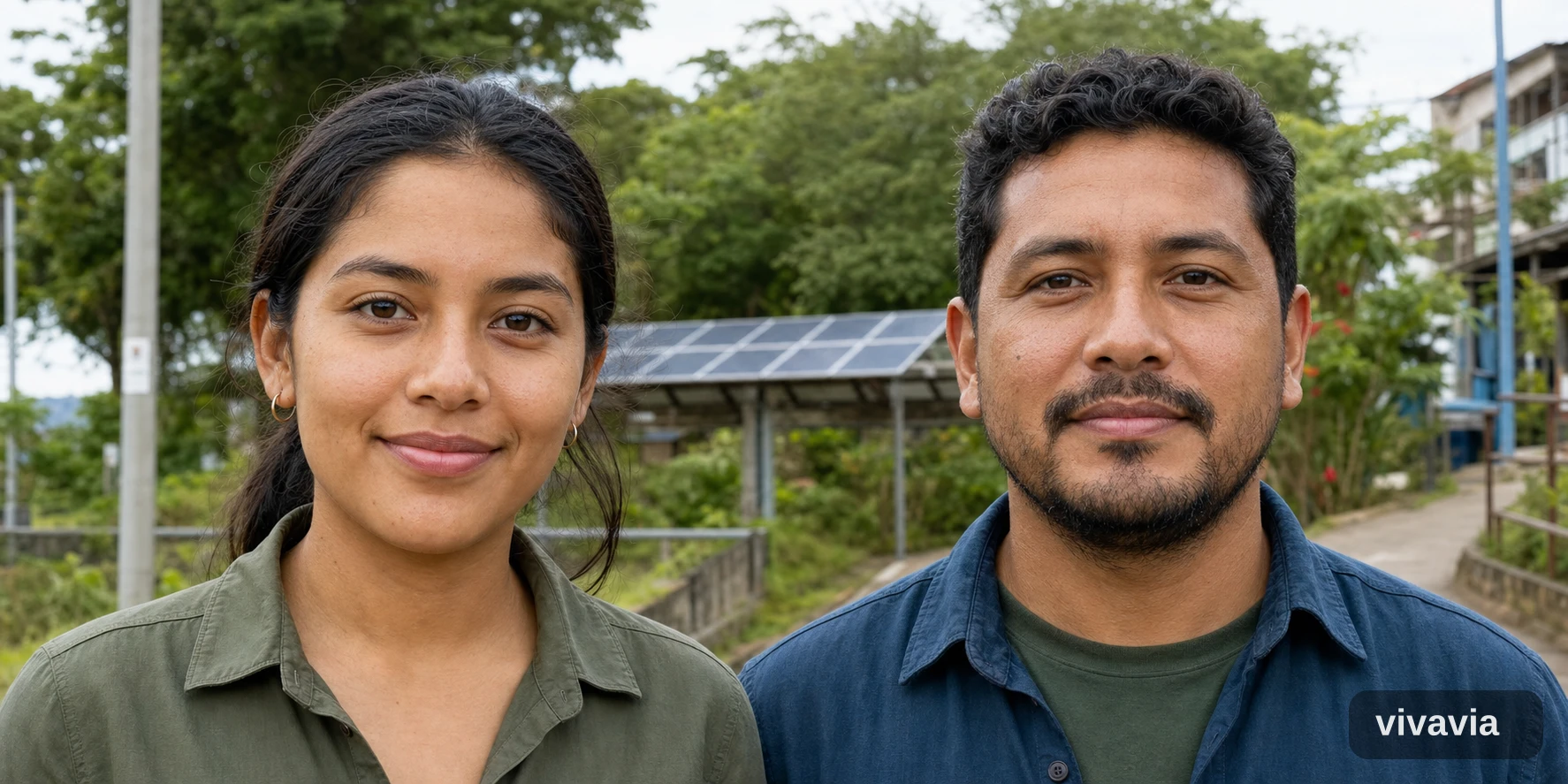
Environmental matters in Nicaragua fall into two connected areas. Nature concerns ecosystems, species, volcanic landscapes, forests, wetlands, mangroves, rivers, lakes and marine coasts. Surroundings concern the conditions in which people live, including basic services, accessibility, public health, waste management, air quality, noise, green space, safety and participation in local decisions. Nature protection uses 76 areas in the Sistema Nacional de Áreas Protegidas (SINAP), as well as private reserves and municipal ecological parks. The rules for access, resource use and recreation depend on the area's category, zoning and management rules, and some activities require authorization. Responsibility is shared among national bodies such as MARENA, INETER, ANA, ENACAL, INE, MINSA and SINAPRED, municipal governments and community organizations. The practical conditions differ between municipalities, urban and rural areas, and autonomous regions. A protected landscape can therefore have different access rules from an ordinary public space, while the availability of water, sanitation, electricity or waste collection depends on the local service structure. Environmental questions often require checking both the applicable national framework and the responsible local authority.
Environment in Nicaragua
Environment in Nicaragua covers both the natural world and the conditions that shape daily life. Nature includes forests, wetlands, rivers, lakes, coasts and protected areas, while surroundings include water, sanitation, electricity, waste, air, noise, green space and safety. Protection and service quality vary by municipality, landscape, urban or rural setting and autonomous region. Nicaragua recognizes a right to a healthy environment, but access and implementation remain uneven.
VivAVia can make mistakes. Check important information.