
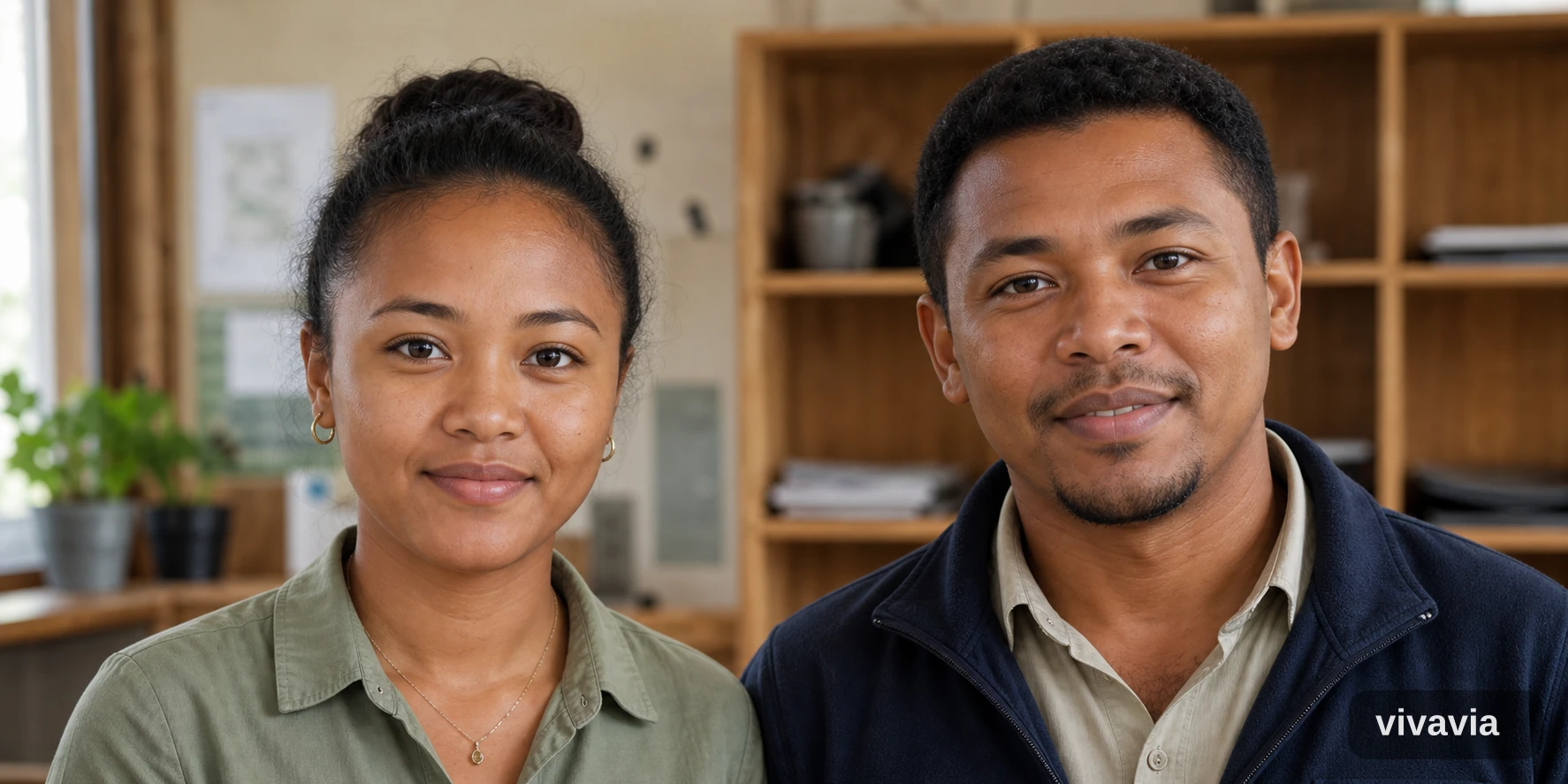
Friendship in Madagascar usually develops through repeated contact and shared activities. People may meet at school, in peer groups, voluntary clubs, youth associations, community activities or cultural, sports, social and environmental projects. Communication can take place in person, by telephone, digitally or through visits. Internet access was about 19% in 2024, so digital contact cannot be assumed to be available to everyone. Regional and social differences affect access to meeting places, devices, transport and organized activities. The Malagasy terms fihavanana and firaisankina provide broader cultural references for reciprocity, mutual help and solidarity. They should not be treated as exact equivalents of a private friendship. Fokonolona within a Fokontany provides a local community setting for daily life, exchange and participation, but it is not a private friendship institution or a required mediator. No national authority or service has responsibility for private friendships, and no application or proof is required to choose a friend. Organized opportunities may be offered by schools, the Ministry of Youth and Sports, health districts, local actors, UNICEF or partner projects. Examples include voluntary children's clubs, groupes d'écoute, espaces de bien-être, Vondrona Tanora Ifotony, Jeunes Pairs Educateurs, JRC and OMJ activities, and youth associations. These offers are project-based rather than a general legal entitlement. Participation may be limited by age, school, region or the project's target group. Education is generally free, but that does not make every club or activity free; project costs and duration vary. A formal association is different from a private friendship. Under Ordonnance n°60-133, at least two people can form a continuing, non-profit association around shared knowledge or activities. Its legal capacity depends on the required declaration and statutes. Friendship itself creates no automatic right to maintenance, representation, access to another person's home or institutional support. It also creates no friendship-specific legal duty, although general civil, criminal and protective rules continue to apply. Association members must follow the association's statutes and applicable law. Constitutional protections relevant to friendships include opinion, expression, communication, association, assembly, movement, freedom of conscience and religion, and the secrecy of correspondence. These rights remain subject to the rights of others, public order, national dignity and state security. A disagreement between friends normally has no official friendship mediation, cancellation or registration procedure. People may reduce contact, pause communication or end the relationship informally. Violence, exploitation, threats or online blackmail require child-protection or other general legal channels; children's clubs also address fake accounts, blackmail and other online risks. Youth activities have particular practical relevance because UNICEF and INSTAT reported that about 50% of Madagascar's population was under 18 and about 25% was aged 10 to 19 in 2018. Access and expectations can still differ by age, school status, gender, city or rural setting and region. A friendship remains distinct from an acquaintance, a romantic relationship and a shared household: a brief first contact, romantic commitment or common living arrangement belongs to a different practical question.
Friendship in Madagascar
Friendship in Madagascar is a freely chosen personal, non-romantic relationship maintained through recurring mutual contact. People build friendships through schools, peer groups, clubs, youth associations, cultural, sports, social or environmental activities, shared learning and mutual support. Friendship has no national registration, fee, matching service or standard procedure; access to organized groups depends on factors such as age, school, region and the project's target group.
VivAVia can make mistakes. Check important information.